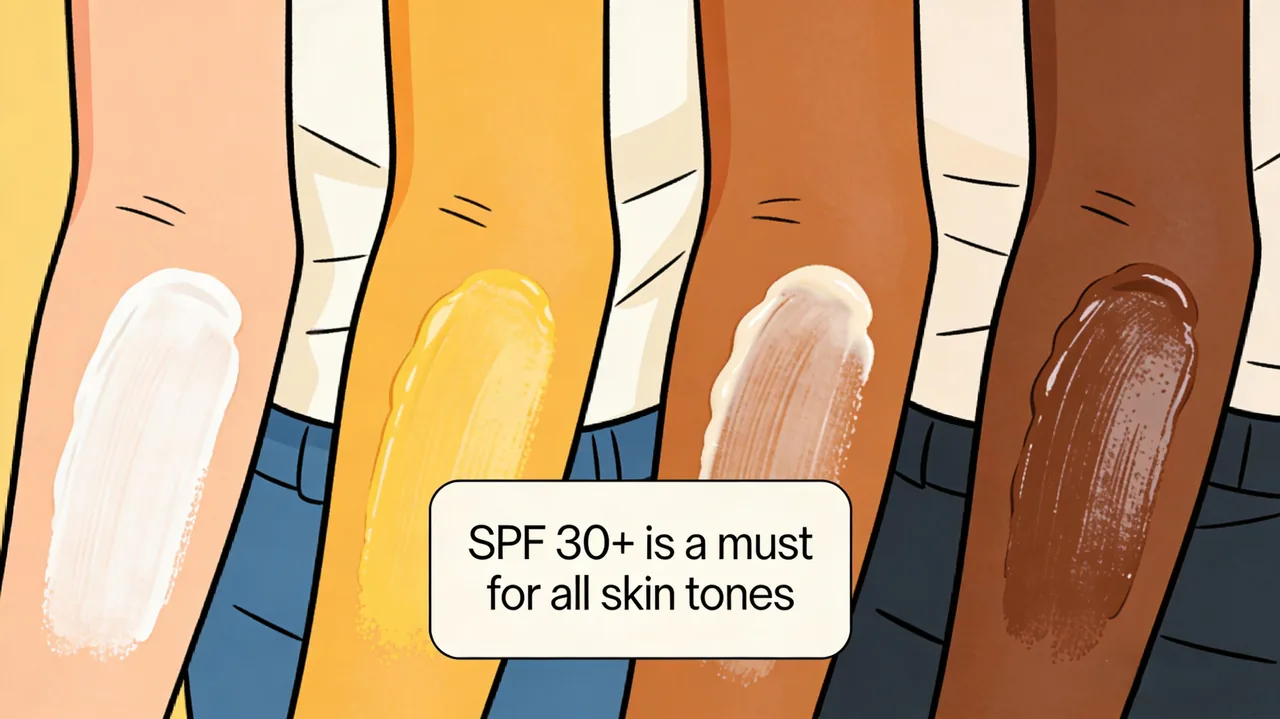
The Limitations of Melanin’s Protection: Natural SPF Is Far From Sufficient
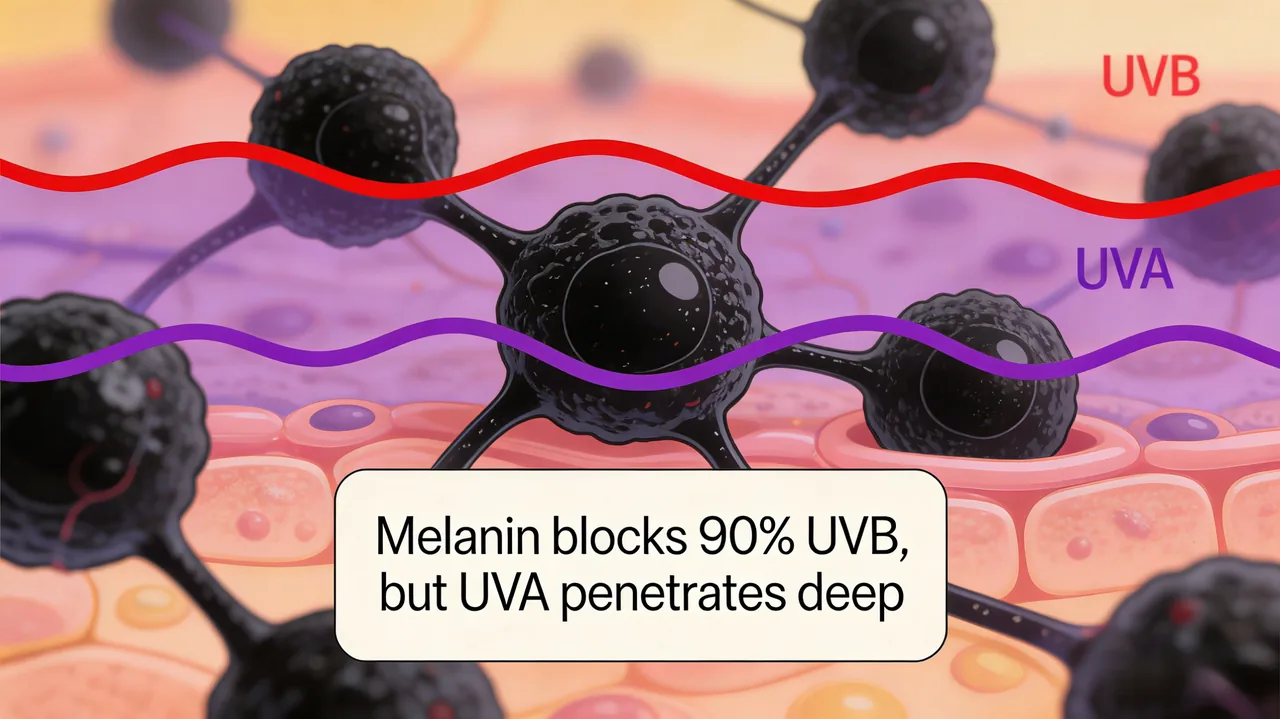
The natural sun protection factor (SPF) of African American skin averages 13.4±3.16—four times that of white individuals (3.4±0.69), yet far below the recommended daily SPF 30 standard. Melanin can only block roughly 90% of medium-wave ultraviolet (UVB) rays, while offering limited protection against longer-wavelength ultraviolet A (UVA) rays. UVA penetrates deep into the dermis, damaging collagen and triggering oxidative stress—key drivers of photoaging and hyperpigmentation in African American skin. More critically, prolonged UV exposure impairs melanocyte function and increases the risk of skin cancers like squamous cell carcinoma. Even though the incidence rate is lower than in white populations, African Americans face higher rates of late-stage diagnosis and mortality for these cancers.
Unique Risks for African Americans: Hidden Dangers of Inadequate Sun Protection
Beyond skin cancer, UV radiation poses specific threats to African American skin. First, post-inflammatory hyperpigmentation (PIH): Approximately 65% of African American women develop PIH due to UV-induced inflammation, and the discoloration can take months to years to fade. Second, worsening pseudofolliculitis barbae (PFB): UV-triggered skin inflammation exacerbates follicular blockage and redness after shaving. Third, eye damage: UV harm to the lens is unrelated to skin tone—while African Americans have a lower incidence of cataracts than white individuals, 30% of cases are still linked to long-term sun exposure. These risks underscore that sun protection is a proactive defense against skin issues, not an afterthought.
Precision Sunscreen Solutions: Science-Backed Choices for Dark Skin Tones
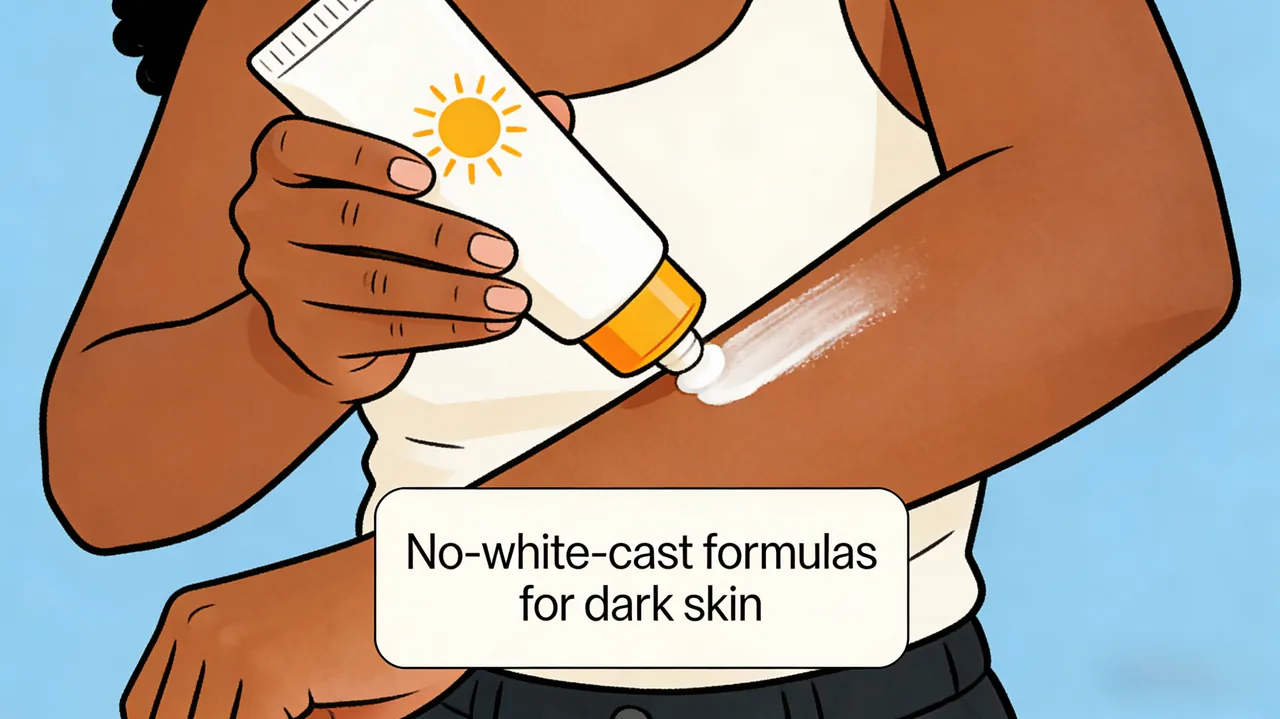
Product Selection: No-White-Cast Formulas That Balance Protection and Texture Opt for broad-spectrum sunscreens with SPF 30+ and PA+++ or higher, avoiding irritating ingredients like alcohol and synthetic fragrances. Recent advancements in SPF 50 formulas have eliminated the white cast—they glide on smoothly and evenly on dark skin tones, while remaining safe and gentle for sensitive skin prone to atopic dermatitis. Look for formulations containing zinc oxide and ceramides, which enhance protection while repairing the slightly alkaline skin barrier common in African American skin. Scientific sun protection is never about whitening—it’s a health necessity. For African Americans, recognizing the limits of melanin’s natural defense and following guidelines from the American Academy of Dermatology (AAD) to choose suitable products is key to fending off UV damage. Let go of the myth that dark skin doesn’t need sunscreen, and make targeted sun protection a non-negotiable part of your daily skincare routine to safeguard your skin’s health and radiance for years to come.