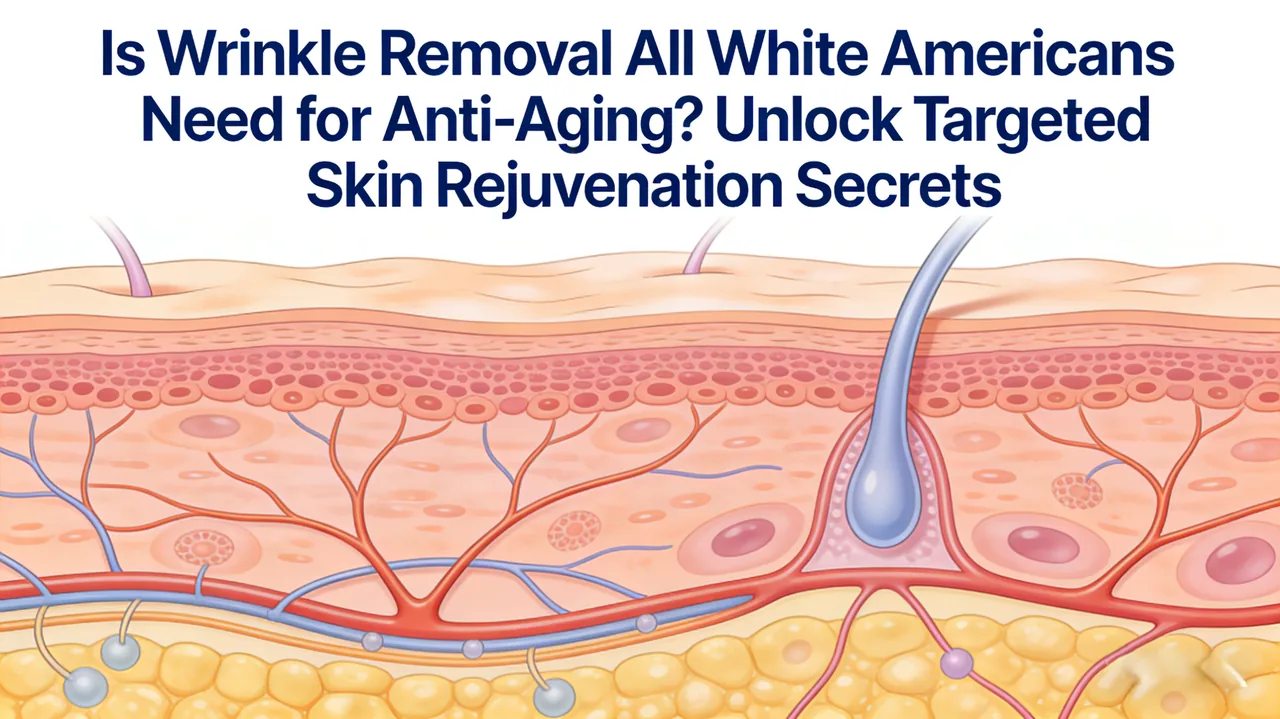
Myth Busting: Anti-Aging for White Skin Isn’t Just About Wrinkles
Data shows 44.3% of white Americans experience at least one sunburn annually—far higher than other ethnic groups. Photoaging doesn’t just cause wrinkles; it contributes to age spots, redness, and enlarged pores in 70% of white individuals. Fitzpatrick classification research confirms that collagen loss in Types I-III skin accelerates by 1.2% per year after age 35. Wrinkle-only treatments fail to address underlying issues like skin laxity and uneven tone. Comprehensive anti-aging must target both collagen repair and photoaging reversal.
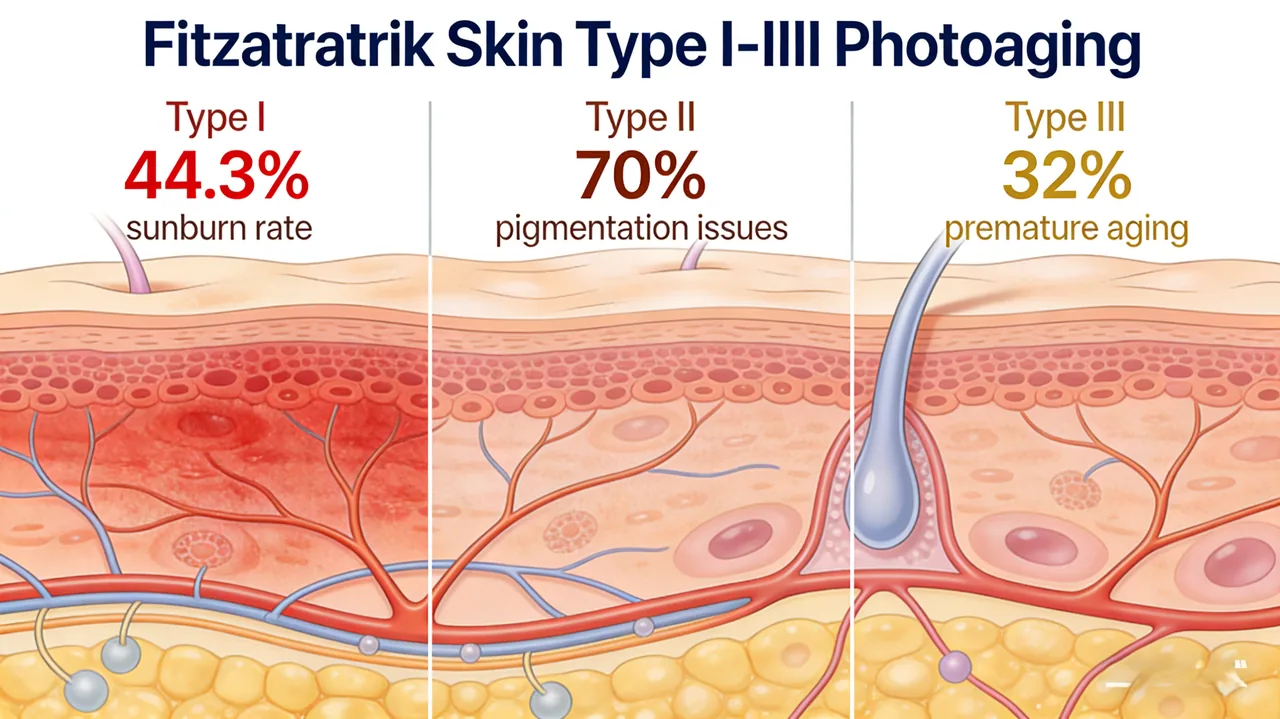
Laser Anti-Aging: The Precision Tool for White Skin
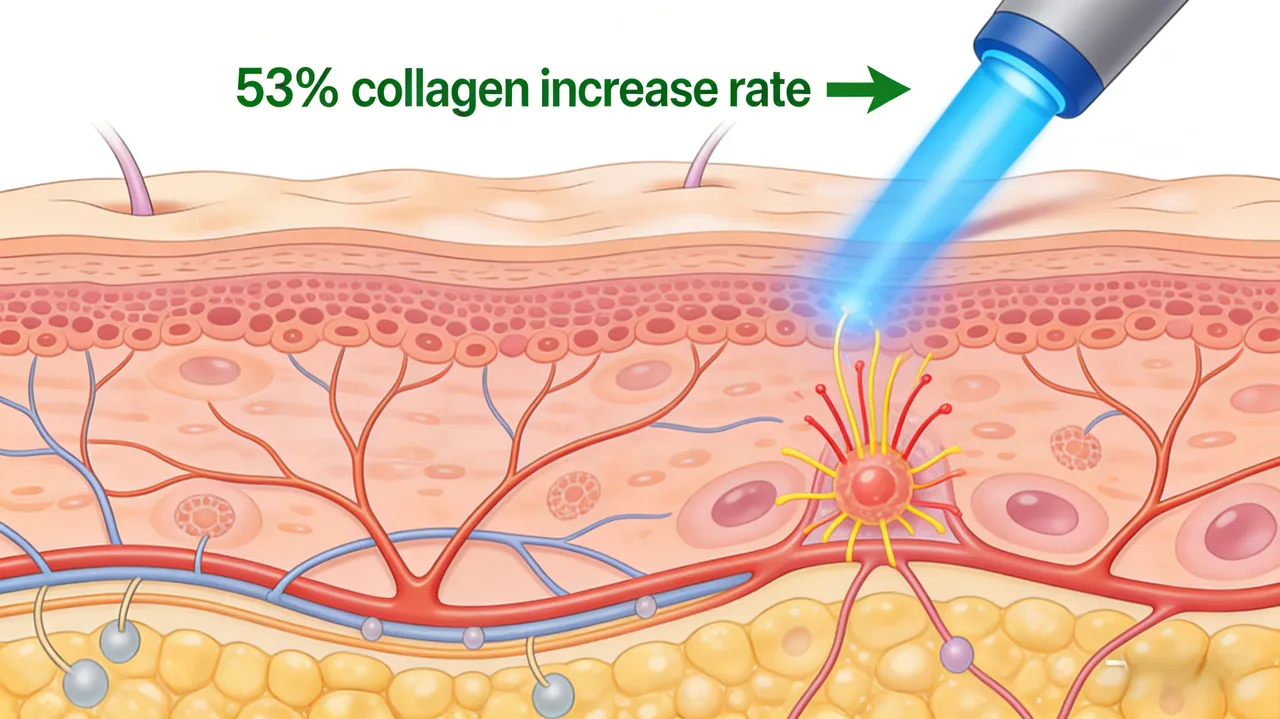
With a weaker melanin barrier, white skin tolerates laser treatments better, with adverse reaction rates 1/5 that of darker skin tones. Advanced laser technologies like Cynosure 5D Collagen Laser (a U.S.-popular device) precisely target the dermis, boosting collagen production by over 53%. Clinical data from the American Academy of Dermatology (AAD) shows pulsed dye lasers achieve an 83.3% effectiveness rate for photoaged white skin, with a 33%+ complete recovery rate in Types I-III skin—no significant hyperpigmentation risk. It’s the top choice for reducing wrinkles and firming skin.
AHA Chemical Peels: Science-Backed Photoaging Repair
AHAs exfoliate dead skin cells and stimulate collagen synthesis, delivering remarkable results for sunspots and rough texture—common concerns for white skin. FDA certification confirms that when performed properly, AHA peels have an adverse reaction rate of ≤8%. White skin, with more active sebaceous glands, boasts stronger repair capabilities. Superficial peels brighten skin tone by 1-2 shades, while medium-depth peels improve mild-to-moderate wrinkles by 40%. Long-term treatment slows collagen loss, complementing laser therapy to address multiple aging signs in white skin. This article is tailored to the physiological characteristics of white skin and the anti-aging needs of U.S. audiences.For further details on treatment suitability or localized clinic recommendations, feel free to request additional insights.