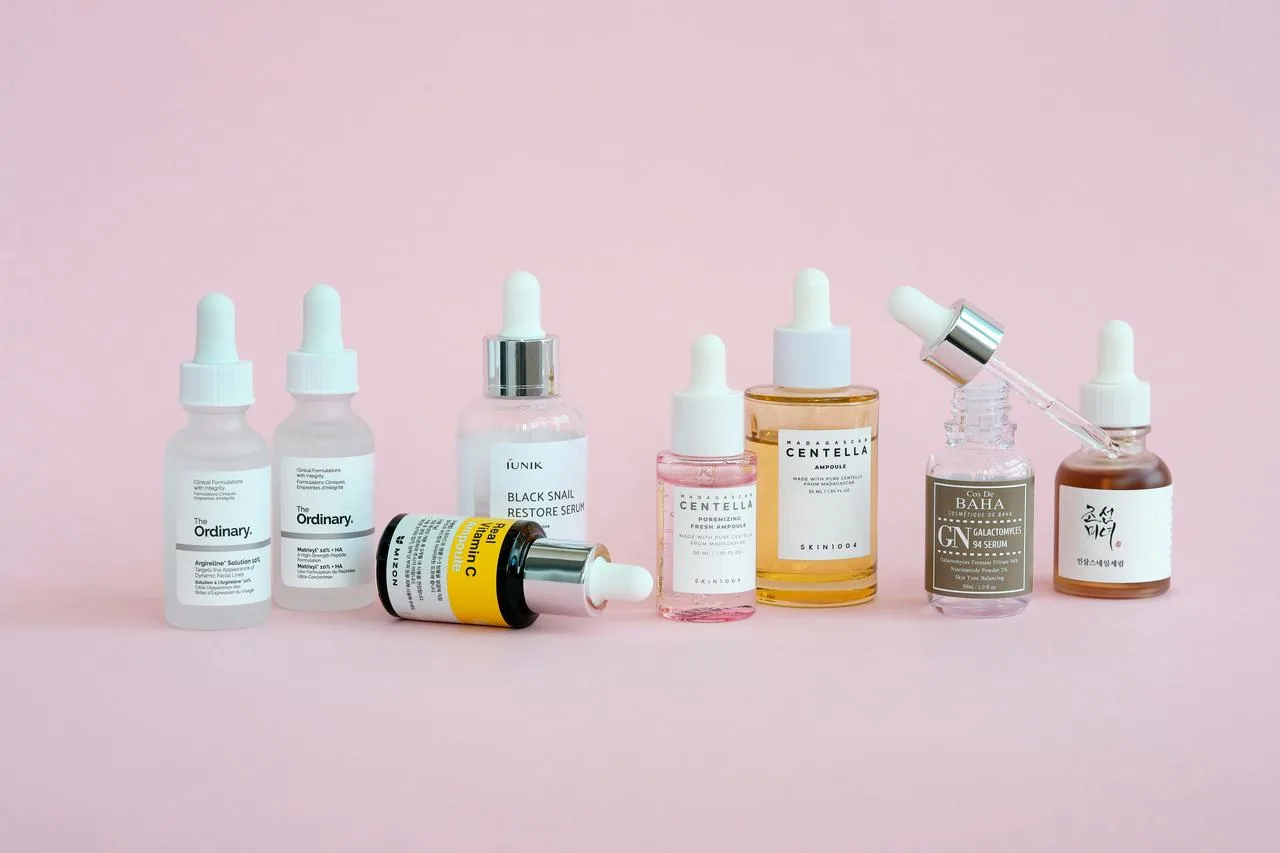
From Trend to Market Segment
K-Beauty first gained U.S. attention through innovations such as sheet masks and multi-step routines. Today, its influence extends beyond novelty. Market research firms report that Korean skincare products are among the fastest-growing categories in U.S. prestige and mass skincare, particularly within e-commerce channels. Short-form video platforms have played a major role in this shift, serving as discovery tools where consumers learn about ingredients, textures, and routine-based skincare rather than individual products alone.
Why American Consumers Are Paying Attention
Analysts point to several factors behind the category’s appeal: a focus on preventive skincare, ingredient transparency, and relatively accessible price points. Many products emphasize barrier support, hydration, and gentle formulations — priorities that align with growing consumer interest in long-term skin health rather than quick fixes.This approach has resonated strongly with Gen Z and millennial shoppers, who tend to value education and peer recommendations alongside traditional advertising.
How the U.S. Beauty Industry Is Responding
Major beauty retailers in the U.S. have expanded their Korean skincare assortments in recent years, reflecting broader demand rather than a single-brand push. At the same time, domestic and international brands alike are adapting by highlighting similar messaging around ingredients, routine-based care, and skin barrier health. Industry observers note that South Korea has also emerged as a leading cosmetics exporter, with the U.S. now one of its most important overseas markets. Rather than a competitive takeover, the rise of K-Beauty appears to be contributing to a wider evolution in the American skincare market — one that prioritizes education, consistency, and everyday skin maintenance. For consumers, that shift means more options and a growing emphasis on informed skincare choices.