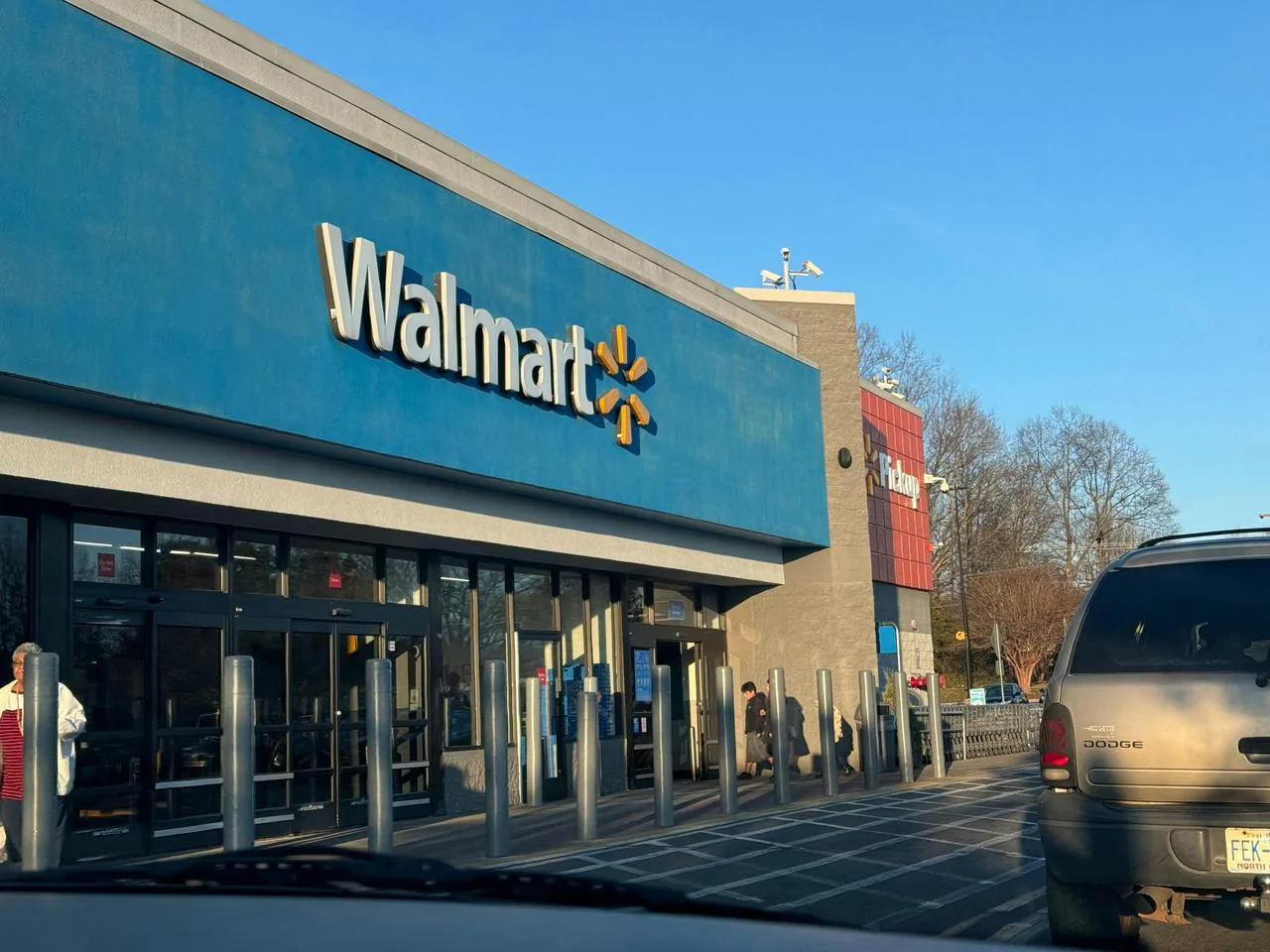
Financial Results Exceed Expectations: Growth in Both Traffic and Average Spend
U.S. same-store sales (excluding fuel) rose 4.5%, driven by a 1.8% increase in foot traffic and a 2.7% gain in average transaction value—achieving growth in both volume and spend. Grocery, Walmart’s core business, contributed over 60% of total sales, with market share expanding thanks to falling prices and convenient delivery options. Profitability improved in tandem: adjusted operating profit reached $7.2 billion (up 8%), gross margin edged up to 24.2%, and inventory turnover efficiency improved to 42 days, unlocking $2.5 billion in cash flow.
EDLP Strategy Resonates: Capturing Shoppers Across Income Brackets
Against a backdrop of consumer divergence, Walmart’s Everyday Low Prices (EDLP) strategy delivered remarkable results. The retailer launched 7,200 value-priced items across essential categories like food and household goods through its dynamic pricing system, stabilizing its base of budget-conscious shoppers while attracting high-income households—those earning over $100,000 annually account for 45% of e-commerce growth. In contrast, mid-tier retailers like Target saw same-store sales decline 2.7% amid inventory pressures and customer attrition, highlighting the strategic value of Walmart’s value positioning.
E-Commerce & Advertising Fuel Growth; Membership Business Remains Strong
Growth drivers have diversified significantly: global e-commerce sales surged 27% year-over-year (28% in the U.S.), with revenue from orders delivered within 3 hours jumping 70%. Walmart Connect, the company’s high-margin advertising arm, saw revenue soar 53% with a profit margin exceeding 70%. The membership business maintained steady growth, with global membership fee income up 17%—Walmart+ memberships remained near all-time highs, while Sam’s Club achieved over 50% e-commerce penetration. In China, Sam’s Club generated an average of $320 million in annual sales per store, emerging as a key growth engine.As the retail sector grapples with resilient demand for essentials and weakening discretionary spending, Walmart has successfully navigated economic uncertainty through its core EDLP advantage and omnichannel footprint, further solidifying its position as a global retail leader.