Why Disney Would Even Consider an AI Partnership
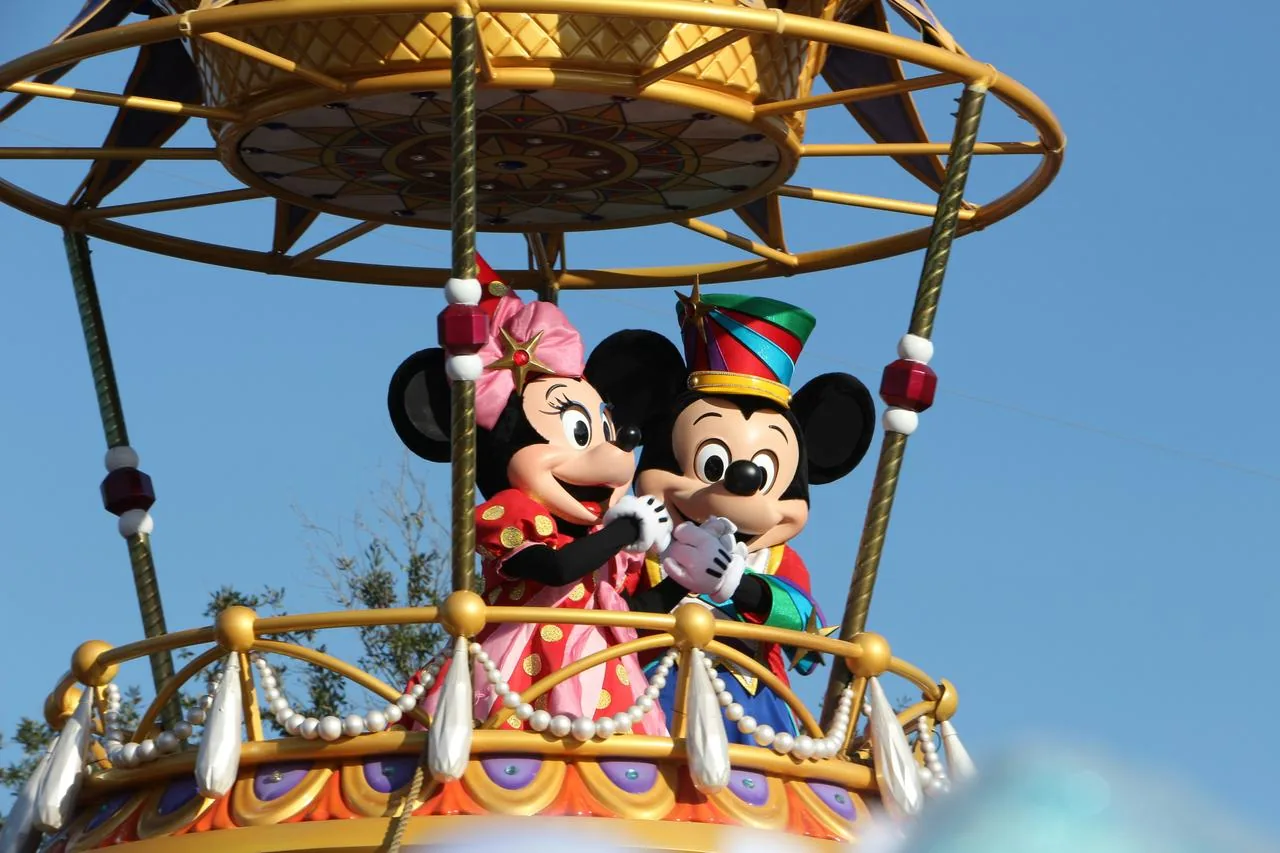
Disney’s strategic dilemma is well known to Wall Street. The company controls some of the most valuable intellectual property in the world, yet its core content businesses face rising costs, slower subscriber growth in streaming, and margin pressure from an oversupplied entertainment market. Generative AI, particularly in video and animation, presents a potential lever to address these challenges. Advanced AI tools could streamline early-stage animation, pre-visualization, visual effects testing, localization, and marketing content production. For a company that spends billions of dollars annually on film and television development, even modest productivity gains could have a meaningful financial impact over time. A deeper relationship with a leading AI developer such as OpenAI would not necessarily imply public-facing tools that allow unrestricted use of Disney characters. More plausibly, it would involve enterprise-grade systems designed for internal workflows, trained on licensed material, and governed by strict usage controls. From an investment standpoint, that distinction matters: it positions AI as an efficiency-enhancing infrastructure investment rather than a disruptive threat to brand integrity. Such a move would also align Disney with a growing group of companies treating AI as a long-term strategic capability rather than a short-term experiment. For shareholders, this could help reframe Disney’s narrative—from a traditional media conglomerate under pressure to a technology-enabled content platform adapting to structural change.
How Markets Would Interpret a $1 Billion AI Signal
If Disney were to pursue a large-scale AI investment, markets would likely view it as a strategic signal rather than a near-term earnings driver. Investors have increasingly rewarded companies that articulate credible AI strategies, even when financial benefits are expected to materialize gradually. A hypothetical $1 billion commitment would be meaningful but manageable relative to Disney’s balance sheet. The focus for investors would be governance—how the partnership is structured, how intellectual property is protected, and whether returns justify the capital deployed. There is also a valuation dimension. While Disney is unlikely to trade like a pure-play technology company, a clearer AI roadmap could support valuation stability by reinforcing confidence in long-term cost control and innovation capacity.
Copyright, Control, and the Future of AI-Generated Entertainment
Intellectual property governance would be the most sensitive aspect of any Disney–OpenAI collaboration. Disney’s business depends on strict control of its characters and franchises, making unrestricted AI-generated use legally and reputationally risky. Industry analysts, therefore, expect media companies to favor “closed” AI systems—tools deployed internally or through tightly licensed partnerships. This approach aligns with growing regulatory scrutiny over AI training data, copyright ownership, and derivative content. For investors, this points to an incremental evolution of AI in entertainment rather than a sudden disruption. Productivity gains are likely to come first, while broader AI-generated content tied to major franchises develops cautiously under strict legal frameworks.