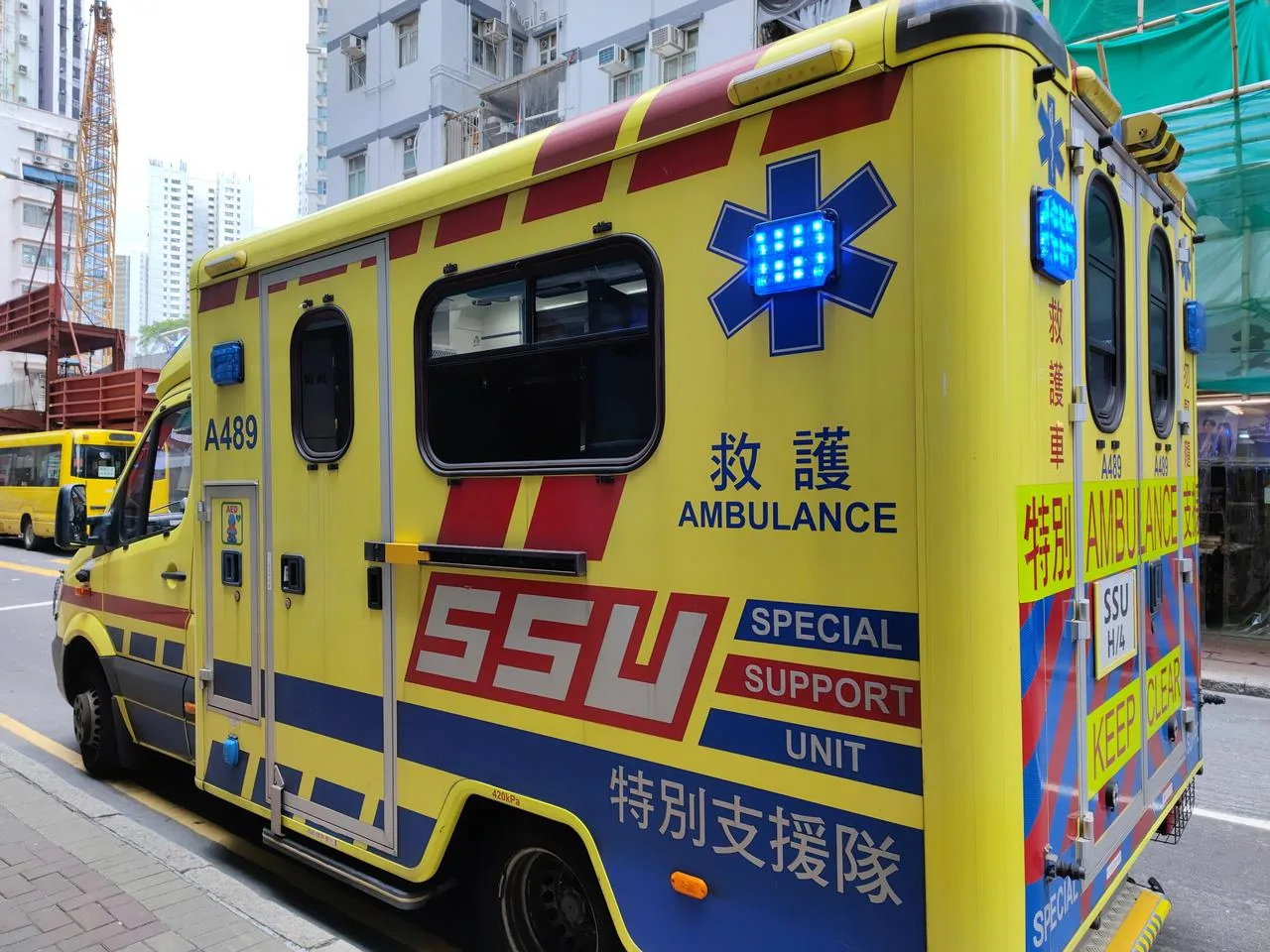
Fire Cause: Illegal Materials & Lax Oversight
Preliminary investigations point to severe construction safety violations. The project used unprocessed bamboo scaffolding (without flame-retardant treatment) and substandard fire-resistant materials, including exterior protective nets, waterproof canvas, and expanded polystyrene (EPS) insulation around elevator lobbies. Police found the contractor opted for cheap, non-compliant materials—costing half the price of fire-safe alternatives. Residents had repeatedly reported workers smoking on bamboo scaffolding, a violation ignored by supervisors. Three project leaders have been arrested on suspicion of manslaughter, with discarded cigarette butts considered a potential ignition source.
Rapid Spread: Environmental & Structural Drivers
The fire escalated from Level 1 to Level 5 in just 43 minutes, fueled by overlapping risks. A 0.5-meter gap between bamboo scaffolding and building exteriors created a chimney effect, accelerating vertical spread. Dry winter conditions and strong winds amplified convection, carrying embers across the complex’s tight 33-foot (10-meter) building spacing—triggering three-dimensional fire spread across 7 connected structures. The dense high-rise layout and flammable construction materials formed a continuous fuel source, hampering access for large rescue equipment.
Heavy Casualties: Vulnerable Groups & Aging Infrastructure
High fatalities stemmed from demographic and safety gaps. The estate has a 36.6% elderly population (65+), far above Hong Kong’s average. Most younger residents were at work during the blaze, leaving seniors—many with mobility impairments—struggling to escape thick smoke. The 42-year-old complex suffered from aging infrastructure: insufficient water pressure in fire hydrants, failed fire alarm systems, and blocked emergency exits due to falling debris. Extreme heat further delayed firefighter entry, worsening the toll.