I. Focusing on Cheaper Items
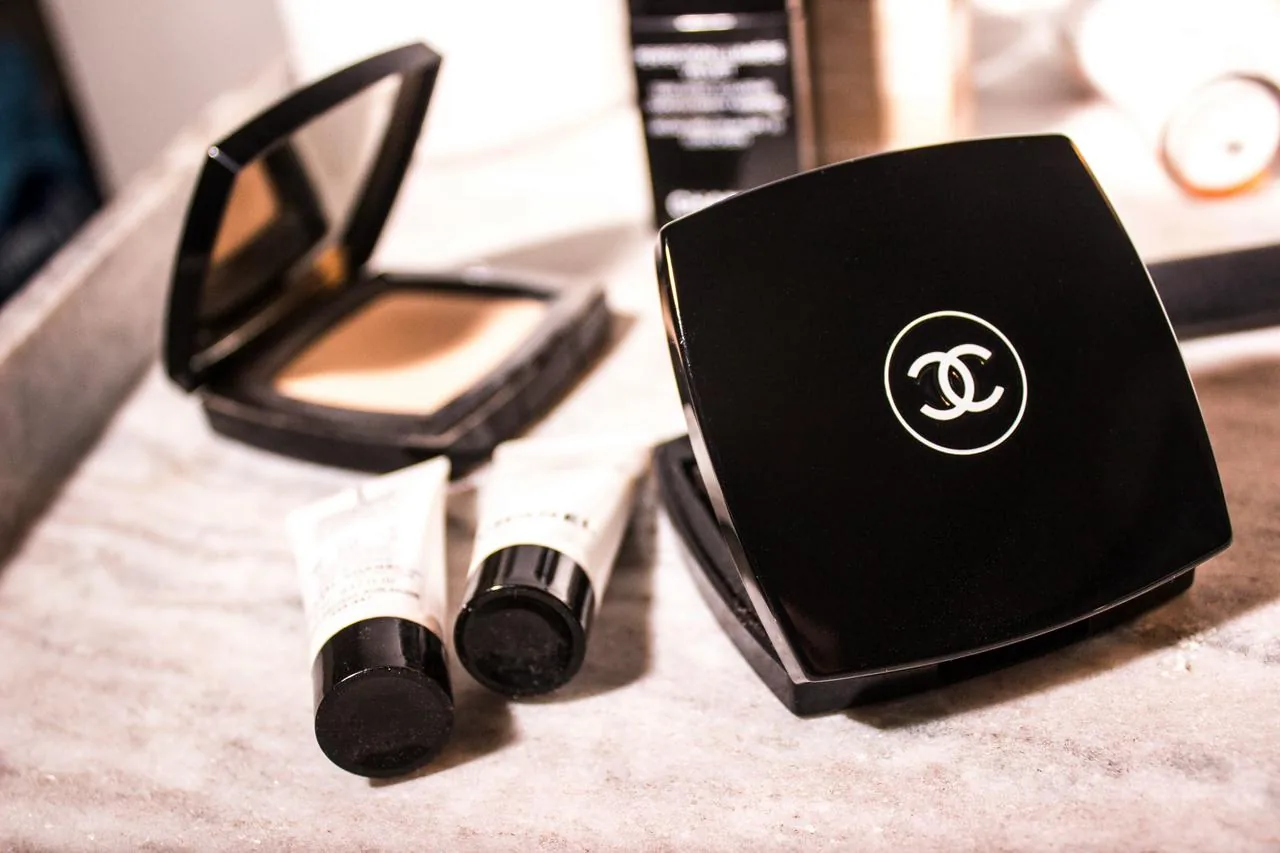
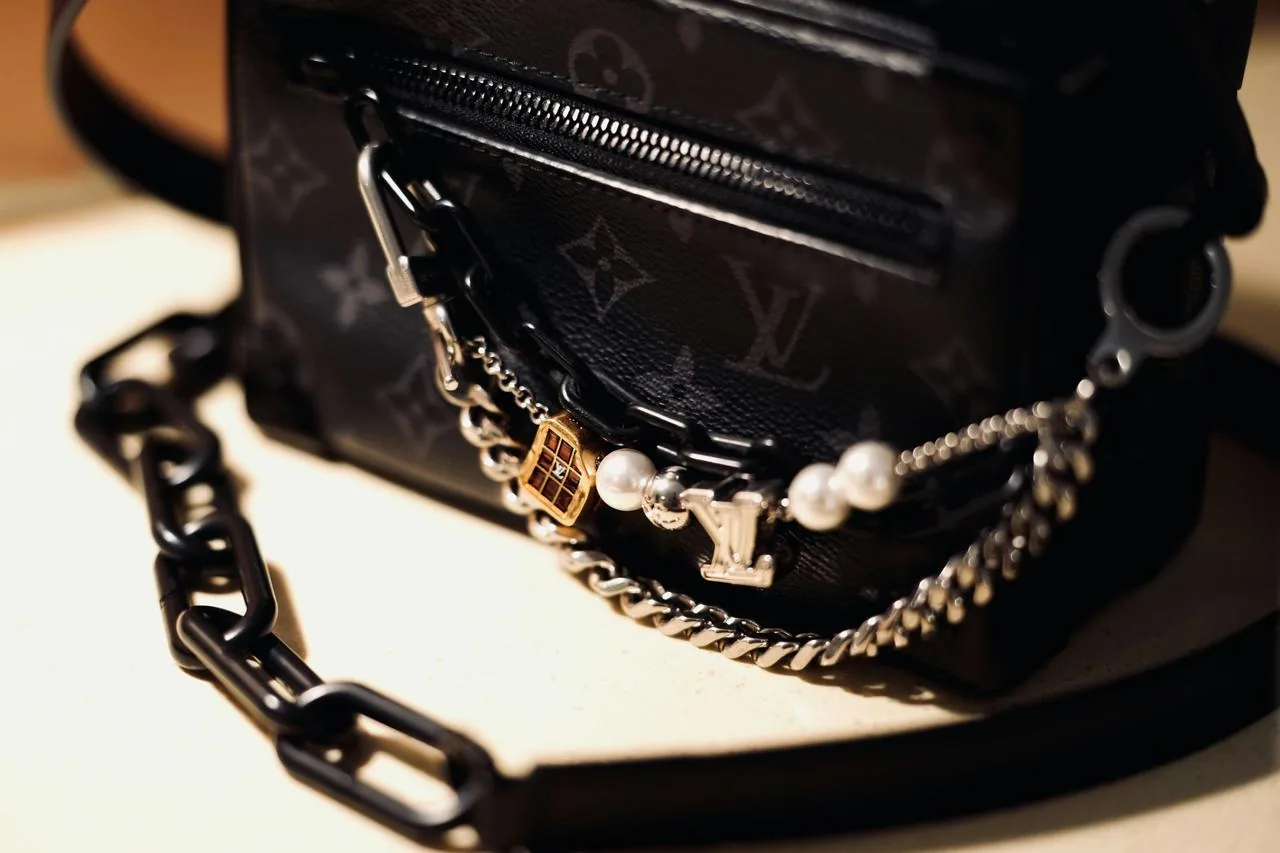
Luxury brands are really pushing into cheaper products. Louis Vuitton just launched its much-anticipated beauty line, with 55 lipsticks and 10 lip balms. While a $160 scented lipstick isn't cheap, it's a lot less than their main handbags. Prada and Celine are also getting into beauty products, using the high-profit margins to make more money. Also, affordable luxury is a big trend. Coach and Louis Vuitton are selling bag charms. For example, Louis Vuitton's keychain with Takashi Murakami and its $1,420 bag charm fit the idea of treat yourself buying. This attracts customers to buy smaller things when they're cutting back on big purchases.
II. Building Loyalty with Starter Products
Brands are using this strategy to grow their customer base and build loyalty through affordable, entry-level products. LVMH's CFO stated they won't discount cheaper handbags. Instead, they'll use perfumes and small leather goods to attract younger shoppers, guiding them toward more expensive items in the future. Bank of America Securities believes affordable products can expand the market and increase a brand's cultural influence. Young consumers are already buying luxury goods, and as their wealth grows, they will become major players in the market. This strategy sets the stage for the brand's long-term success.
III. Balancing Accessibility and Exclusivity
Brands need to carefully balance getting more customers and keeping their high-end image. Analysts say that when brands offer cheaper items, they also need to add more expensive products to keep attracting wealthy customers. Burberry and Gucci learned the hard way that too many discounts can hurt a brand's status. It's hard to say if this strategy will work yet, since customers who buy starter products are more affected by the economy. For them to buy more expensive items, the economy needs to get better. For this plan to work in the long run, brands need to establish their value with younger generations.